
Get Residential Pest Control
Residential pest control services help property owners eliminate and prevent common pests like insects and rodents through targeted treatments and inspections.
Residential pest control services are a practical consideration for property owners seeking to maintain a safe and comfortable living environment. Whether dealing with common household pests or preparing for seasonal pest activity, exploring local options can help identify trusted service providers equipped to handle a variety of pest issues. Planning a pest management project involves comparing the expertise and offerings of nearby contractors to find solutions tailored to specific needs.
By exploring local contractors specializing in residential pest control, property owners can access a range of services designed to address pest concerns effectively. Keeping informed about available options allows for better planning and ensures that the work aligns with individual property requirements. Continuing to read can help uncover the resources and providers best suited to support a pest-free home environment.
- Ants Control - needed when ants invade kitchens, pantries, or other indoor spaces.
- Termite Treatment - required if there are signs of termite damage or infestation in the home.
- Rodent Removal - necessary when mice or rats are detected within living or storage areas.
- Spider Extermination - sought after when spiders become a frequent or unwelcome presence indoors.
- Bed Bug Treatment - essential if bed bugs are discovered in bedding, furniture, or mattresses.
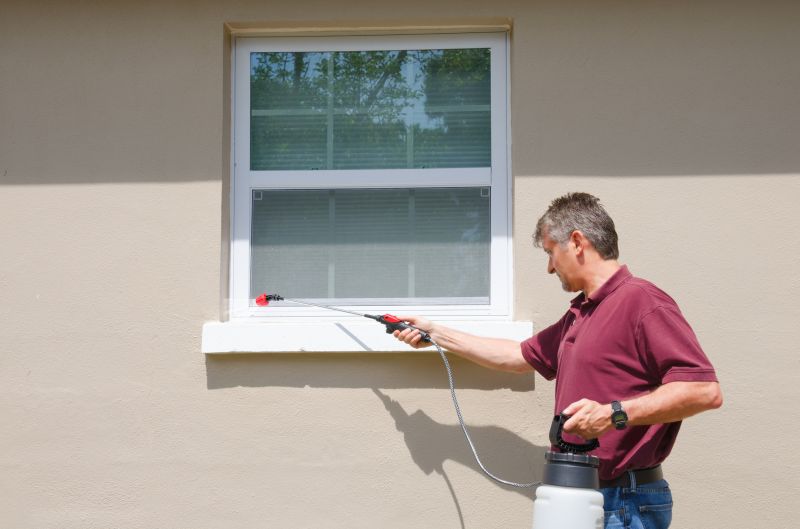
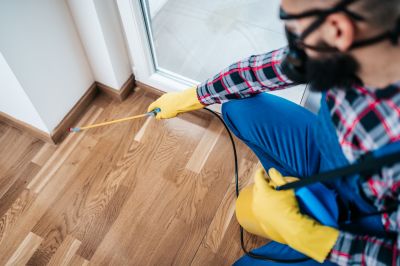
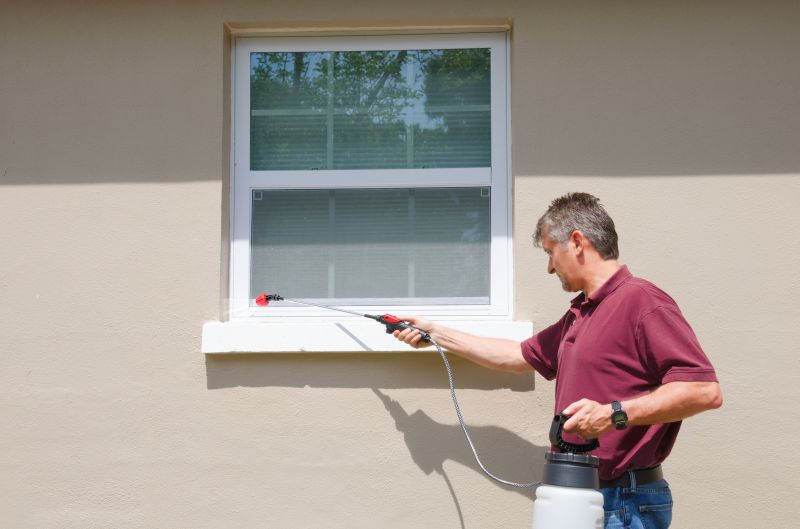
Residential pest control services involve professional treatment plans designed to eliminate and prevent common household pests. These services typically include a thorough inspection of the property to identify pest activity and entry points, followed by targeted treatment methods such as baiting, trapping, or applying safe insecticides. The goal is to create a pest-free environment while addressing the specific needs of each home. Service providers use proven techniques to reduce pest populations and help maintain a clean, comfortable living space for residents.
These services help solve a variety of pest-related problems that can impact homes, including infestations of ants, cockroaches, spiders, termites, and rodents. Pests can cause damage to property, contaminate food, and pose health risks to residents. Residential pest control aims to address these issues effectively, reducing the likelihood of recurring problems. Regular treatments can also serve as a preventative measure, stopping pests before they become a significant nuisance or cause damage.
Homes of all types typically benefit from pest control services, including single-family houses, townhomes, condominiums, and multi-unit residential buildings. Properties with yards or gardens may be more prone to certain pests like ants or termites, making ongoing pest management especially important. Additionally, homes located near wooded areas, water sources, or other natural habitats might experience higher pest activity, prompting the need for professional intervention to keep pests in check.
Homeowners often seek residential pest control services when they notice signs of infestation, such as droppings, damage to wood or fabric, or sightings of pests themselves. These services are also useful for preventing future issues, especially in homes that have experienced pest problems in the past. Connecting with local contractors who specialize in pest management can help ensure that the right treatment plan is tailored to the specific needs of each property, promoting a pest-free and comfortable living environment.
The overview below groups typical Residential Pest Control projects into broad ranges so you can see how smaller, mid-sized, and larger jobs often compare in your area.
In many markets, a large share of routine jobs stays in the lower and middle ranges, while only a smaller percentage of projects moves into the highest bands when the work is more complex or site conditions are harder than average.
Routine Pest Control - typical costs range from $250-$600 for many smaller jobs like general inspections and initial treatments. Most routine services fall within this middle range, depending on property size and pest type. Fewer projects extend into the higher tiers for extensive or recurring treatments.
Targeted Treatments - specific pest issues such as termites or bed bugs often cost between $300-$1,200 per treatment. These projects are common for localized infestations and tend to stay within moderate pricing, with larger or more complex cases reaching higher costs.
Full Property Inspection - comprehensive assessments typically cost $200-$500, depending on property size and scope. Many inspections are completed within this range, with larger or multi-unit properties possibly incurring higher fees.
Full Replacement or Large-Scale Projects - complete removal and treatment for extensive infestations or property-wide issues can reach $2,000-$5,000 or more. Such projects are less frequent and usually involve complex or multi-phase work handled by experienced local contractors.
Actual totals will depend on details like access to the work area, the scope of the project, and the materials selected, so use these as general starting points rather than exact figures.
Rodent Control Projects - local contractors handle rodent exclusion and trapping techniques similar to pest control for residential properties.
Termite Inspection and Treatment - involves planning and execution of treatments in homes, sharing skills with pest control services.
Wildlife Removal Services - professionals use similar tools and planning to safely remove animals like raccoons or squirrels from residential spaces.
Mosquito Control Programs - require knowledge of local environments and treatment methods akin to those used in pest management for homes.
Bed Bug Treatment Projects - involve detailed inspection and targeted treatment strategies comparable to general pest control services.
Spider and Insect Extermination - local service providers use similar techniques and planning to eliminate common household pests effectively.
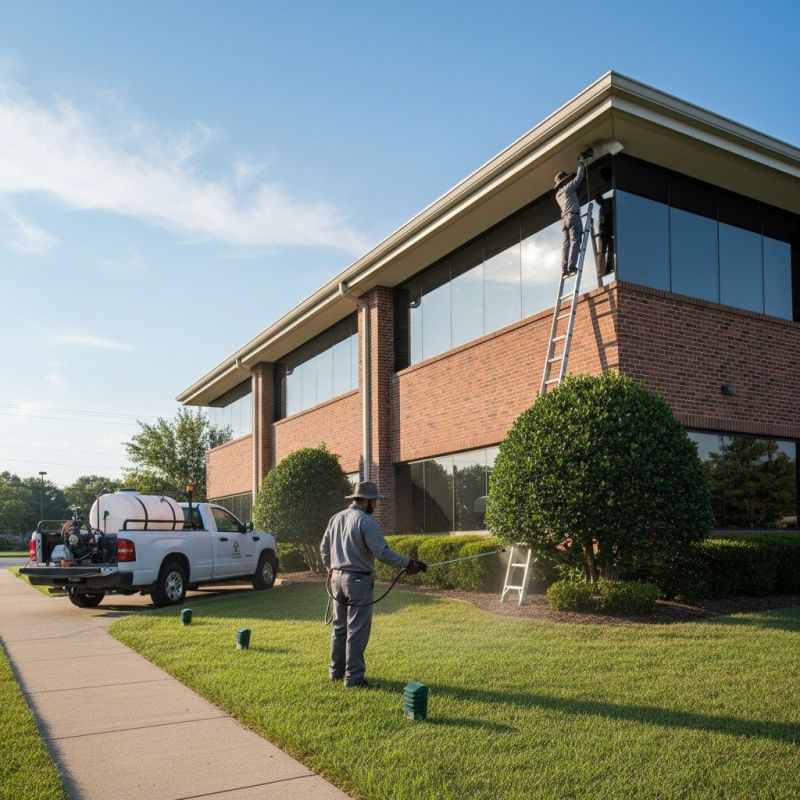
When evaluating residential pest control service providers, it’s important to consider their experience with projects similar to your needs. Homeowners should look for local contractors who have a proven track record handling the specific pests or issues present in their area. Asking about the types of properties they’ve serviced and the methods they typically use can help ensure that the chosen professionals are familiar with the challenges unique to your home environment.
Clear, written expectations are essential for a smooth working relationship. Homeowners should seek out service providers who are willing to provide detailed descriptions of their pest control approaches, what the treatment process involves, and what results to expect. Having this information in writing helps prevent misunderstandings and ensures everyone is aligned on the scope of work before any services are performed.
Reputable references and strong communication are key indicators of reliable local contractors. Homeowners are encouraged to ask for references from past clients who had similar pest issues, and to verify the quality of work and professionalism. Good communication throughout the process-such as prompt responses to questions and clarity about procedures-can make a significant difference in the overall experience. It’s important to remember that the site introduces homeowners to local options, but the actual work is performed by qualified service providers who can meet these criteria.
Property owners use Residential Pest Control services for practical projects around their homes and businesses. This guide focuses on everyday jobs and straightforward project options.
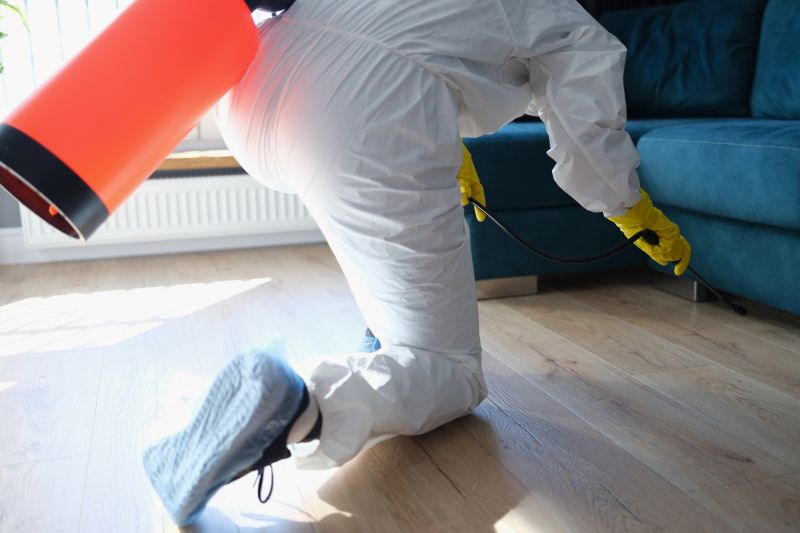
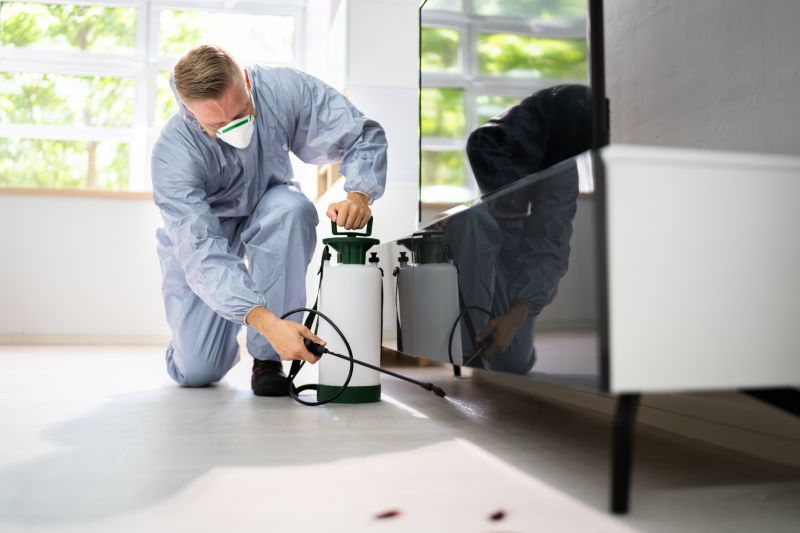
Residential pest control services are often sought after by property owners dealing with common household pests such as ants, spiders, or rodents. These situations can arise unexpectedly, especially during warmer months or after periods of heavy rainfall, prompting homeowners to look for local contractors who can effectively manage infestations. Whether it's preventing pests from entering the home or addressing an active problem, many property owners turn to nearby service providers for reliable and efficient pest management solutions.
In addition to active infestations, residents may seek pest control services for preventative measures, especially when preparing for seasonal changes or after renovations. Property owners might also want to protect their homes from potential pest-related damages or health concerns. Local contractors familiar with the area’s common pests and environmental conditions are often contacted to provide tailored solutions that help maintain a pest-free living environment.
What types of pests can residential pest control services handle? Local service providers typically manage common household pests such as ants, roaches, spiders, rodents, termites, and bed bugs.
Are residential pest control treatments safe for children and pets? Many local contractors use treatment methods that are safe around children and pets; it’s best to contact a provider to discuss specific concerns and options.
How often should pest control services be scheduled for a home? Frequency varies depending on pest issues and property conditions; a local service provider can recommend an appropriate treatment schedule.
Do residential pest control services offer eco-friendly options? Some local providers offer environmentally conscious treatment methods; inquire with service providers about available options.
What should homeowners do before a pest control treatment? Homeowners are usually advised to clear treated areas, remove food and dishes, and follow any specific instructions provided by the service provider.
Preventing Pest Infestations - Property owners can schedule regular pest control services to keep common pests like ants, roaches, and spiders from establishing a presence in their homes.
Protecting Food Storage Areas - Local contractors can treat kitchens and pantries to prevent pests from contaminating stored food items.
Safeguarding Outdoor Spaces - Yard and garden treatments can help control pests that threaten plants or become nuisances near the home.
Maintaining a Pest-Free Environment - Routine pest management can help sustain a comfortable and hygienic living space for families.
If you are thinking about Residential Pest Control for a property, this guide is meant to help you understand the work, the typical project types, and how different options might fit your plans.
When you are ready, you can use the quote form on this page to share a few details about your project. From there, local pros can review the basics and respond with options that match what you have in mind.